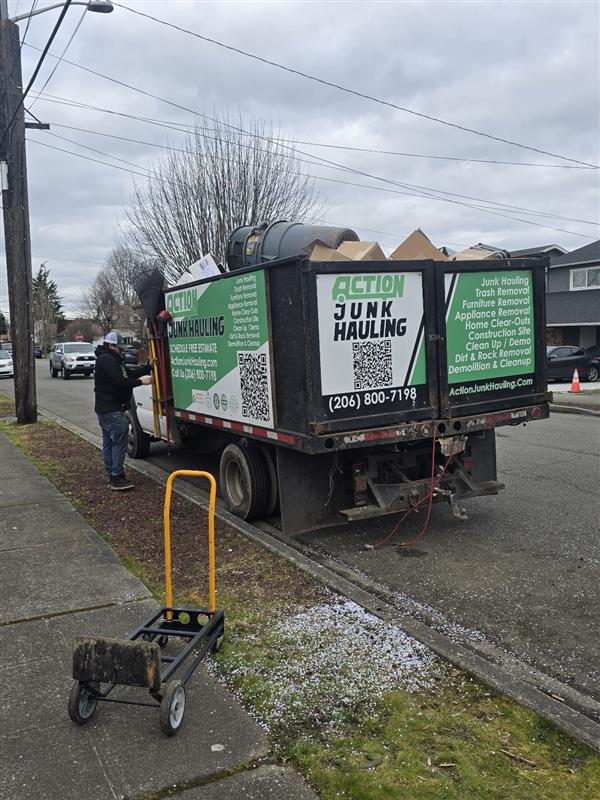

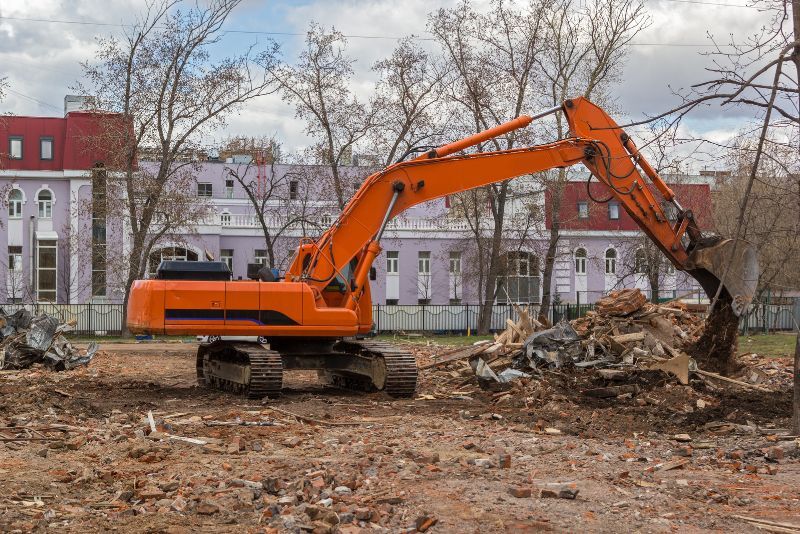
Modern projects focus on responsible methods that protect surrounding spaces while supporting thoughtful resource use, and demolition tweed heads teams now prioritise procedures that reduce unnecessary discard. Careful dismantling encourages cleaner material separation so reusable items stay intact for later stages. Waste volumes drop when crews follow routines designed to guide resource flow efficiently. Planning supports safer handling as crews focus on sustainable outcomes without impacting project momentum. Each refined step promotes balance between site requirements and broader environmental responsibility. These aligned efforts ensure steady progression throughout varied construction transitions.
Structured Methods Guiding Cleaner Removal
Efficient removal begins with steady sequencing that ensures reusable components remain undamaged. Crews evaluate structural conditions to decide which sections require slower handling. Material sorting becomes easier when early preparation supports a predictable flow. These steady actions create more responsible waste pathways.
Steps Strengthening Resource Recovery
Focused routines help contractors limit unnecessary waste movement while improving sorting accuracy.
- Teams separate metals immediately, ensuring stronger downstream value through cleaner supply streams
- Timber sections receive early inspection, preventing moisture damage that disrupts reuse outcomes
- Concrete blocks undergo onsite crushing, allowing sustainable application across future groundwork layers
- Coordinators plan vehicle movement carefully, helping reduce repeated trips and extra energy expenditure
- Pre checks detect contaminated items early, protecting sensitive processing operations from harmful material
- Labels guide workers during heavy sorting periods, promoting clearer direction across busy spaces
- Records track monthly output levels, revealing improvement opportunities for better sustainability targets
- Long-term recycler partnerships stabilise supply chains, strengthening circular recovery systems
These combined actions allow streamlined outcomes through structured routines.
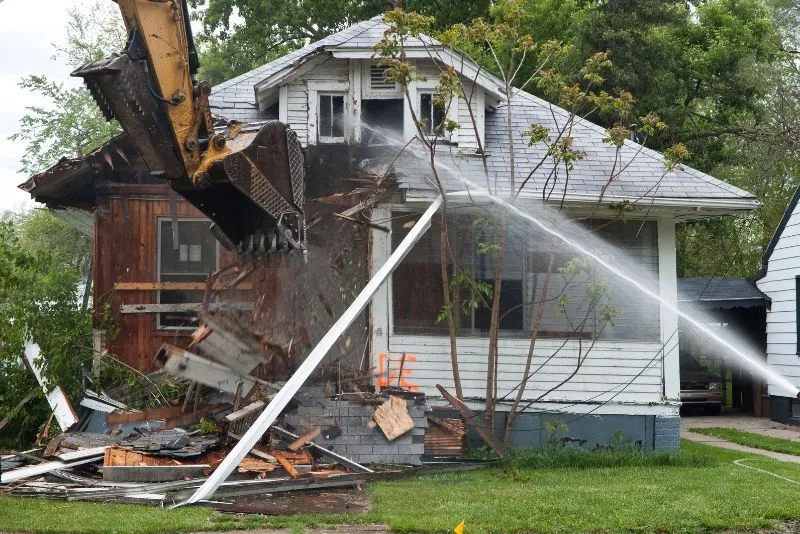
Enhanced Planning Reducing Onsite Disruption
Stronger planning improves material direction and supports safer movement across complex sites. Contractors rely on scheduled removal stages that hold operations steady during high activity periods. Waste volumes decrease when crews follow mapped pathways that encourage efficient separation. These improvements reinforce responsible workflows.
What Factors Improve Long-Term Waste Performance?
Long-term performance depends on consistent collaboration, transparent planning, measured sorting accuracy, and steady monitoring across all working phases. Reliable communication ensures every participant understands removal expectations before processes advance.
When teams follow structured guidelines, resource tracing becomes simpler and cleaner. Projects benefit from smoother progress because materials move through defined channels without confusion, creating balanced outcomes that support sustainable goals across extended construction periods.
Training Methods Supporting Better Compliance
Structured instruction helps new workers understand key handling routines. Supervisors highlight safe techniques that limit breakage while promoting smoother separation. These steps build confidence as teams learn dependable processes.
Modern Tools Enhancing Waste Reduction
Technology now integrates directly into planning systems, and demolition tweed heads monitoring solutions highlight inefficiencies at early stages. Data reviews guide smarter decisions by revealing patterns across transport, separation, and reuse. These insights help managers update routines quickly to strengthen resource output over time.
Broader Value through Responsible Direction
Sustainable removal efforts create measurable advantages as contractors refine techniques to support efficient transitions. Material preservation strengthens outcomes while reducing unnecessary disposal pressures. Predictable workflows shorten delays, ensuring construction momentum remains steady. Each refined step enables smoother operation while reinforcing client confidence. These combined strengths uphold environmentally conscious demolition practices, reducing waste during Tweed Heads construction transitions.