
Understanding the Relationship Between Aligner Removal and Enamel Health
The journey towards a straighter smile with Invisalign Macleod requires more than simply wearing the trays for the recommended hours each day. The method used to remove these aligners plays a crucial role in maintaining the integrity of tooth enamel throughout the treatment process. Many patients underestimate the significance of proper removal techniques, yet this simple daily action can make a substantial difference to long-term dental health.
Tooth enamel, the hardest substance in the human body, serves as the protective outer layer of teeth. Despite its strength, enamel can be compromised through improper handling during aligner removal. When patients use incorrect techniques, they may inadvertently apply excessive force or pressure to specific areas of their teeth, potentially leading to microfractures or gradual wear over time.
The Science Behind Safe Aligner Removal
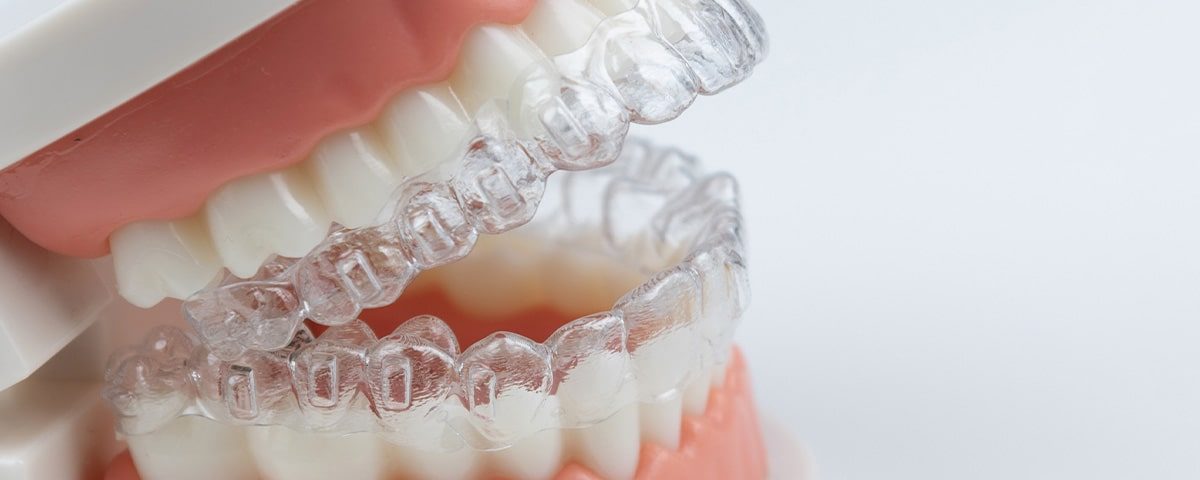
Clear aligners fit snugly over teeth to apply gentle, consistent pressure that gradually shifts them into their desired positions. This tight fit, whilst necessary for treatment success, means that removal requires a specific approach. The key lies in distributing force evenly across multiple teeth rather than concentrating pressure on individual teeth or vulnerable areas.
Starting from the back molars provides a mechanical advantage when removing aligners. The posterior teeth can withstand greater forces than the front teeth, making them the ideal starting point. By disengaging the aligner from one side of the back teeth first, patients create a release point that allows the tray to come away more smoothly from the remaining teeth.
Step-by-Step Removal Process
The recommended removal technique involves using fingertips rather than fingernails to gently lift the aligner from the inside surface of the back teeth. Once one side has been released, the same process should be repeated on the opposite side. This bilateral approach ensures balanced force distribution and prevents the aligner from snapping or jerking away suddenly, which could stress the enamel surface.
Those seeking treatment options such as Invisalign Macleod will receive guidance on these techniques during their initial consultations. Understanding proper aligner removal methods from qualified practitioners ensures patients develop good habits from the very beginning of their treatment journey.
Common Mistakes That Compromise Enamel Protection
Several removal errors can jeopardise enamel health during clear aligner treatment. Using fingernails to pry aligners off teeth ranks amongst the most damaging practices. This approach concentrates force on small contact points, creating unnecessary stress on the enamel surface. Additionally, pulling aligners straight down or up rather than using the recommended back-to-front motion can cause the tray to catch on teeth, potentially causing microscopic damage with repeated actions over months of treatment.
Rushing the removal process presents another significant risk. When patients attempt to remove their aligners hastily, they often apply uneven or excessive force. This impatience can lead to the aligner bending or warping, which then requires even greater force to remove, creating a problematic cycle that puts enamel at risk.
Supporting Enamel Health Beyond Removal Technique
Whilst proper removal technique forms a cornerstone of enamel protection, other factors contribute to maintaining dental health throughout treatment. Maintaining excellent oral hygiene becomes particularly important, as preventing demineralisation during clear aligner therapy requires consistent attention to cleaning routines.
The timing of aligner removal also matters for enamel health. Removing aligners immediately before eating allows saliva to naturally remineralise teeth during meals. This natural process helps strengthen enamel and repair any minor surface changes that may occur during wear. Patients should also ensure their hands are clean before handling aligners to prevent introducing bacteria that could affect oral health.
Regular maintenance of the aligners themselves contributes to easier removal and better enamel protection. Clean aligners fit more precisely and remove more smoothly than those with buildup or residue. Learning comprehensive aligner care practices ensures the trays maintain their proper shape and function throughout each wear cycle.
Protecting Your Smile for the Long Term
Mastering correct aligner removal techniques represents a small investment of time that yields significant dividends in enamel protection. By approaching each removal with care and attention, patients safeguard their dental health whilst working towards their aesthetic goals. The combination of proper technique, good oral hygiene, and regular professional guidance creates the optimal environment for successful treatment outcomes that preserve the natural strength and integrity of tooth enamel for years to come.