
Understanding the Science Behind Clear Aligner Success
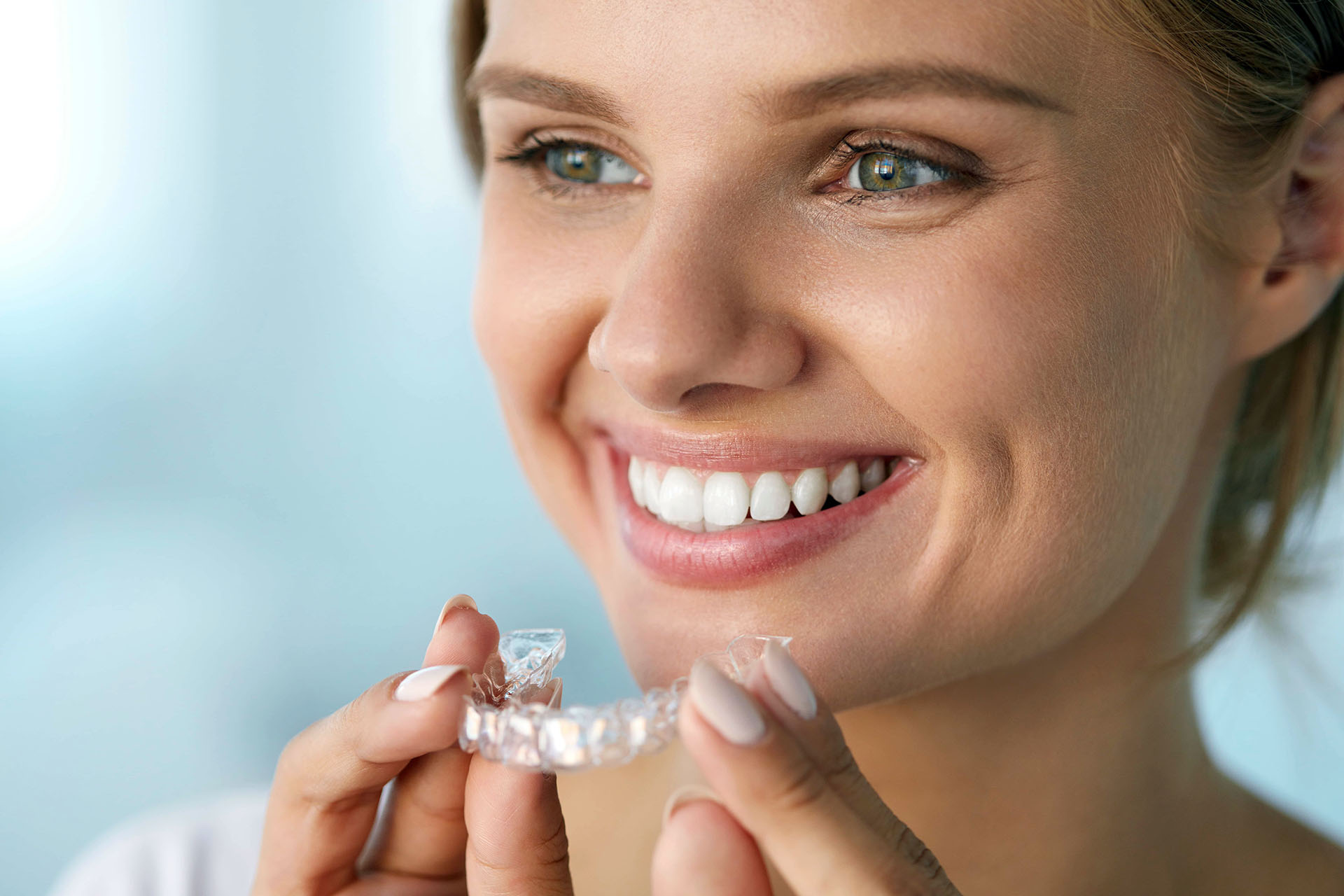
The world of orthodontics has witnessed a remarkable transformation over the past two decades, with clear aligners revolutionising the way patients approach teeth straightening. Whilst many people are familiar with the basic concept of removable aligners, fewer understand the sophisticated biomechanics that enable these transparent trays to achieve complex tooth movements. At the heart of this technology lies a clever innovation: Invisalign attachments, small tooth-coloured bumps that serve as crucial anchoring points for the aligners to grip and manipulate teeth with precision.
These attachments are far more than simple aesthetic compromises; they represent the engineering breakthrough that allows clear aligners to compete with traditional braces in treating increasingly complicated orthodontic cases. Without attachments, aligners would struggle to perform certain movements, particularly rotations, extrusions, and the correction of significant bite discrepancies. For patients seeking Invisalign Limerick treatment, understanding how these attachments function can demystify the process and set realistic expectations for their orthodontic journey.
What Exactly Are Invisalign Attachments?
Invisalign attachments are small, tooth-coloured composite resin buttons that are bonded directly onto specific teeth throughout the treatment process. These attachments typically measure between one and three millimetres in size and are strategically positioned according to a computerised treatment plan. The material used is identical to that employed in cosmetic dental bonding procedures, ensuring both durability and a relatively discreet appearance that blends with the natural tooth enamel.
The placement of these attachments is far from arbitrary. Each attachment is designed with a specific shape and orientation to facilitate particular tooth movements. Some attachments are rectangular, others bevelled, and some feature more complex geometries. This variety allows orthodontists to address different biomechanical challenges, from rotating canines to extruding incisors or correcting overbites. Understanding the role of attachments in clear aligner therapy helps patients appreciate the sophisticated planning that underpins their treatment.
The Biomechanics of Attachment-Assisted Tooth Movement
Creating Strategic Pressure Points
The fundamental principle behind Invisalign attachments involves creating optimised contact points between the aligner and the tooth surface. When an aligner is placed over a tooth with an attachment, the plastic material engages with the raised composite button, generating specific force vectors that would be impossible to achieve with a smooth tooth surface alone.
This engagement transforms the aligner from a passive shell into an active orthodontic appliance capable of delivering controlled, predictable forces. The attachment acts as a handle of sorts, allowing the aligner to grip the tooth and apply rotational forces, tipping movements, or bodily translations that would otherwise slip ineffectively across the smooth enamel surface. The precision of this system is remarkable, with computer modelling predicting exactly where and how much force is needed to achieve the desired tooth position.
Different Attachments for Different Movements
Rotation attachments are perhaps the most commonly used type, designed specifically to turn teeth that are twisted out of alignment. These typically feature a rectangular or optimised shape positioned on the facial surface of the tooth. Root movement attachments, by contrast, are engineered to control the position of the tooth root rather than just the crown, essential for achieving proper angulation and avoiding unsightly gaps at the gum line.
Extrusion attachments help pull teeth that have not fully erupted into their proper position within the dental arch, whilst intrusion attachments push teeth deeper into the bone when necessary. For those interested in learning more about how different attachment types function, the variety of shapes and placements reflects the complexity of orthodontic science.
The Patient Experience with Attachments
Contrary to common concerns, most patients adapt to attachments within a few days of placement. The bonding procedure itself is painless and typically completed in a single appointment. The orthodontist first prepares the tooth surface, applies the composite material using a custom template, and then cures it with a special light. The entire process mirrors standard dental bonding techniques that dentists perform routinely.
Whilst attachments are visible upon close inspection, they are considerably more discreet than traditional metal brackets. The tooth-coloured composite blends reasonably well with natural enamel, and most people do not notice them during normal social interactions. The importance of attachments in achieving optimal treatment outcomes cannot be overstated, making any minor aesthetic compromise worthwhile for the final results.
Achieving Optimal Results Through Attachment Technology
Invisalign attachments represent a crucial component in modern clear aligner therapy, bridging the gap between aesthetic preferences and clinical effectiveness. These small composite buttons enable orthodontists to address complex tooth movements that once required traditional braces, expanding treatment possibilities for patients seeking discreet orthodontic solutions. Understanding how attachments function empowers patients to embrace them as essential tools rather than unwanted additions to their treatment journey.